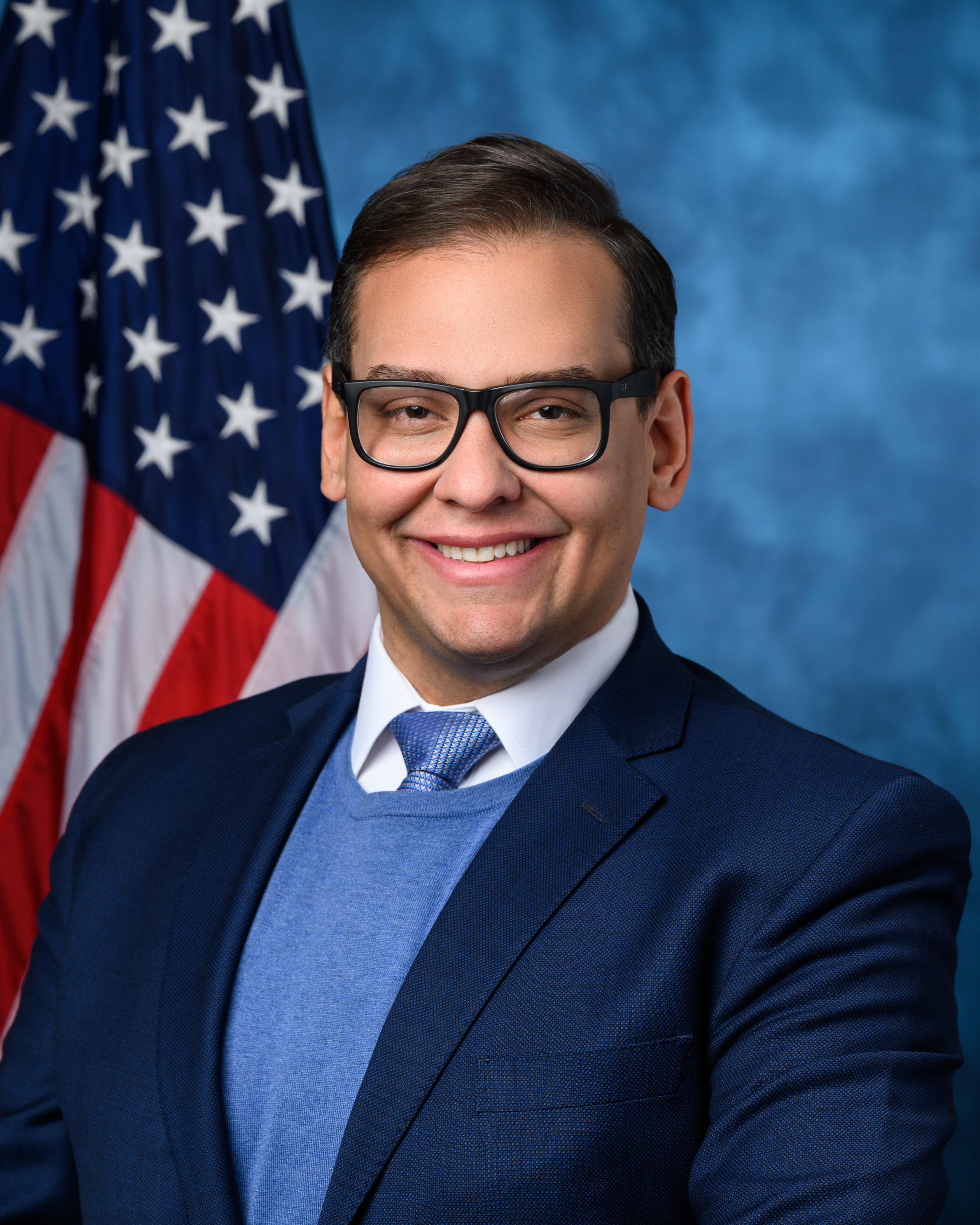
George Santos Investigated for Betting on Himself at State of the Union
Federal regulators are investigating former congressman George Santos for allegedly betting on whether he would appear at the State of the Union address.
Objective Facts
Former New York congressman George Santos is being investigated by federal regulators over his trading activity on the prediction market site Kalshi. In February, Santos posted a video to X saying 'I'm going to be there for the State of Union in the gallery, guys,' and at the time, traders on Kalshi were placing millions of dollars worth of bets on who would attend, with Santos' video confirming his presence sending odds soaring. However, Santos didn't show up, and he had already placed bets on Kalshi that he was not going to appear, according to three people with direct knowledge of his trades, with Santos misled the public and turned a profit based on that deception in the tens of thousands of dollars. While Santos' account has been frozen, Kalshi detected his trades and referred the case to the Commodity Futures Trading Commission and the Department of Justice. When reached by NPR, Santos said, 'Well, that's news to me,' when asked about the insider trading probe.
Left-Leaning Perspective
Limited distinct left-leaning editorial commentary has emerged in the 24-36 hours since this story broke on June 2-3, 2026. The Advocate's coverage by Christopher Wiggins framed the investigation within a context of Santos' repeated pattern of fabrication and deception, noting that federal investigators are examining whether he profited from misleading people. The Irish Times reported the investigation with particular emphasis on broader questions about Trump administration oversight of prediction markets, noting that the Trump administration is under pressure to show it can police insider trading on prediction markets, Kalshi has ties to the president's business empire with Donald Trump Jr. as a strategic advisor, the CFTC under Trump has repeatedly ruled in favor of prediction markets, and senior career officials who raised questions were put on investigative leave. NBC/left-leaning outlets have not yet published prominent opinion pieces specifically analyzing this betting scheme angle. Left-leaning commentary would likely focus on the apparent contradiction between Trump's commutation rationale (calling Santos a "rogue" but not deserving harsh sentencing) and the subsequent discovery of potential new financial crimes within months of his release. However, distinct named commentary from specific left-leaning columnists or analysts on this particular angle has not been published yet. What left-leaning coverage appears to emphasize is the broader pattern: Santos' history of fabrication now potentially extending to financial deception on prediction markets, and regulatory questions about whether the Trump administration can fairly oversee cases involving platforms with Trump family ties.
Right-Leaning Perspective
Conservative outlets have primarily reported the investigation factually without extensive opinion commentary in the immediate aftermath. The Washington Examiner, which published one of the earliest mainstream conservative-adjacent reports, presented the facts of the investigation without editorial spin. Notable is that in March, Santos addressed the complaints on his podcast, saying 'I guess people lost money' and 'Some people made unexpected money. That's to show you how fragile these markets are.' This suggests a dismissive framing by Santos himself rather than robust conservative defense of his actions. No major right-leaning commentators have published opinion pieces defending Santos or criticizing the investigation as of the time these articles were published. Conservative outlets have not attempted to frame this as politically motivated or problematic in the way some might defend other Trump associates. The absence of conservative opinion in defense of Santos may reflect the party's distancing from him following his 2023 expulsion from Congress. Right-leaning coverage has acknowledged that the reported investigation marks the latest legal scrutiny facing the former New York Republican, whose political career unraveled amid revelations that he fabricated portions of his biography and faced multiple federal fraud charges.
Deep Dive
The Santos Kalshi betting case represents a novel intersection of emerging financial technology, regulatory capacity, and presidential clemency. Prediction markets like Kalshi and Polymarket have exploded, allowing bettors to put money down on everything from art sales to military strikes, and lawmakers have been particularly concerned about how people with insider information could manipulate the markets and defraud other bettors. This inquiry is the third insider trading case to come to light in recent weeks, following a Google employee charged with using insider information to bet on search results and a Special Forces member charged with betting on the operation to capture Nicolás Maduro. The specific angle involving Santos raises questions about presidential judgment. Trump commuted Santos' sentence last October, writing that 'George Santos was somewhat of a rogue, but there are many rogues throughout our Country that aren't forced to serve seven years in prison.' Within months, Santos allegedly engaged in a sophisticated form of insider trading—using non-public information about his own behavior to manipulate a financial market. This pattern is notable: Santos allegedly placed bets that he would not attend while publicly announcing he would, misleading traders and turning a profit of tens of thousands of dollars based on that deception. When confronted by NPR, Santos claimed he would call Kalshi co-founder Luana Lopes Lara, framing it as an existing friendship because both are Brazilian, but the NPR source said Lara and Santos don't know each other. This suggests a repeat pattern of deceptive claims. Key unknowns include whether the Justice Department will bring criminal charges (the CFTC is investigating but sources did not confirm criminal charges as of June 3), whether the Trump administration's pressure to demonstrate it can police insider trading on prediction markets while having business ties through Kalshi affects the investigation, and whether this case will spur bipartisan calls for stricter prediction market regulation. The fact that Kalshi has frequently taken action against political candidates accused of trading on non-public information, suspending three candidates' accounts in April over insider trading issues after fining a California Republican gubernatorial candidate for betting on himself in 2025 suggests the platform takes such violations seriously, but this is Santos' first major case as a non-candidate with personal knowledge.