Trump pauses Strait of Hormuz escort operation for Iran negotiations
Trump pauses escort operation in Strait of Hormuz to allow Iran deal negotiations, maintaining blockade of Iranian ports.
Objective Facts
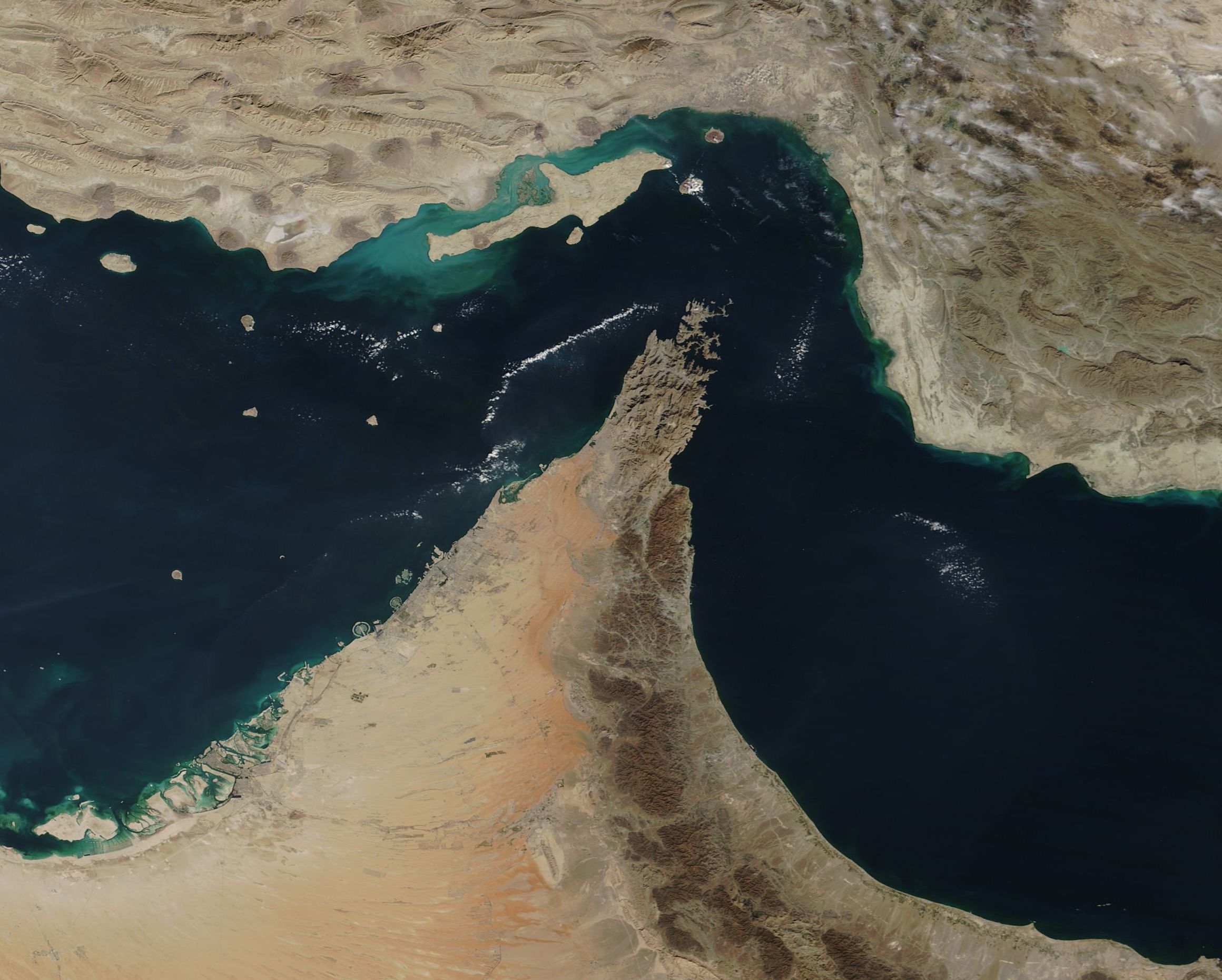
Trump announced Tuesday evening that he was pausing the U.S. effort to guide stranded vessels out of the Strait of Hormuz to allow time for a deal to end the Iran war, but that the American forces' blockade of Iranian ports would remain in place. The pause came one day after the operation began. Trump cited 'the fact that Great Progress has been made toward a Complete and Final Agreement' with Iran as the reason, stating Project Freedom 'will be paused for a short period of time to see whether or not the Agreement can be finalized and signed'. The decision was made in response to requests from Pakistan, Saudi Arabia and 'other brotherly countries,' according to Pakistani PM Shehbaz Sharif. Regional media perspectives differed from Western coverage, with Iranian state outlets describing the pause as 'Trump Backs Down'.
Left-Leaning Perspective
Left-leaning outlets and Democratic lawmakers expressed skepticism about the pause. According to reporting by South Florida Reporter, Democrats in Washington questioned whether the 'Significant Progress' claimed by the President is a substantial breakthrough or a tactical retreat following the firefight on May 4. Senator Richard Blumenthal, D-Conn., challenged the administration's legal authority, posting that 'There's no pause button in the Constitution, or the War Powers Act. We're at war...The blockade alone is a continuing act of war'. Democratic critics argued that Trump's framing misrepresented the actual status of negotiations and military operations. NPR reported that though Trump touted progress in negotiations, Secretary of State Marco Rubio's Tuesday messaging suggested the U.S. and Iran are early in the process, with Rubio saying both sides are still trying to figure out what specific issues they are willing to negotiate, while he did not specify what actions would take place if Iran fails to normalize its relationship to the strait. Left-leaning coverage emphasized the contradiction between the administration's earlier framing of Project Freedom as urgent and its sudden reversal. CNBC noted this represented 'a surprising about-face from the Trump administration, which just hours earlier had framed Project Freedom as a matter of life or death for thousands of civilian sailors'.
Right-Leaning Perspective
Right-leaning outlets generally supported the pause while some conservatives expressed concern about negotiating weakness. According to South Florida Reporter's analysis of Republican divisions, figures like Senator Lindsey Graham signaled that 'anything short of a decisive military victory over the Iranian Revolutionary Guard Corps (IRGC) risks projecting weakness'. The 'America First' wing of the Republican Party remained focused on the domestic economy, with many in this camp viewing Project Freedom as 'always a means to an end: lower gas prices and the restoration of global supply chains'. Fox News and other right-leaning outlets prominently featured the pause as a diplomatic achievement. Defense Secretary Pete Hegseth told reporters that 'Project Freedom is defensive in nature, focused in scope and temporary in duration, with one mission: protecting innocent commercial shipping from Iranian aggression,' characterizing Iran as 'the clear aggressor, harassing civilian vessels, threatening mariners from every nation indiscriminately'. Right-leaning coverage generally aligned with the Trump administration's messaging of negotiating strength. Just The News reported that Trump 'announced a pause Tuesday night on his Project Freedom operation, touting the success of his military operations against Iran and the progress the United States has made toward a peace agreement'.
Deep Dive
The pause in Project Freedom represents a critical inflection point in the broader U.S.-Iran conflict that began February 28, 2026. Negotiations had appeared to largely stall since the conflict started, with diplomatic efforts yet to yield results despite one round of face-to-face peace talks, and attempts to set up further meetings failing. The operation itself lasted only one day before the pause, announced after the operation to guide ships through the Strait launched Monday led to an exchange of fire between the U.S. and Iran and to Iranian missile attacks on the United Arab Emirates for the first time since the ceasefire was announced a month ago. This immediate escalation created political pressure to seek diplomatic alternatives. According to CNN, the White House received positive feedback from Pakistani mediators on Tuesday that the Iranians were progressing toward a compromise, with a renewed diplomatic push emerging in recent days, and U.S. President Trump appearing to simplify issues in peace negotiations so moderates in the Iranian regime could return to the table. Both sides correctly identify real tradeoffs in the pause decision. Hawks like Senator Lindsey Graham legitimately note that pausing military operations without achieved objectives could signal weakness. However, when exchanges of fire between U.S. and Iranian forces on Monday did not reignite the war, it signaled that neither side wanted full-scale fighting to resume, suggesting sustainable military pressure may be limited. Democrats' emphasis on legal requirements reflects genuine Constitutional questions: Trump formally notified Congress of the conflict 48 hours after February 28, triggering a 60-day deadline that passed last Friday, with the White House avoiding the requirement by declaring that hostilities under Operation Epic Fury had terminated. Yet the blockade of Iranian ports remains in place, creating legitimate debate over what constitutes termination of hostilities. The operation's immediate pause after encountering resistance raises questions about its viability that both sides acknowledge differently—Democrats as evidence it was poorly conceived, Republicans as evidence military pressure created negotiating leverage. What remains unresolved is whether the reported diplomatic progress is genuine. The White House did not respond to a request for comment or further detail on the progress in negotiations that Trump mentioned, and a one-page plan being floated internally would declare an end to the war while triggering a 30-day negotiation period on resolving sticking points, including on nuclear issues, unfreezing Iranian assets and future security in the Strait of Hormuz. The pause creates a narrow window: if negotiations succeed, the pause buys crucial time; if they fail, the U.S. will face questions about whether military momentum was lost. Trump wrote that if Iran agrees to what he says has been agreed, the blockade will allow the strait to be open to all, 'but if they don't agree, the bombing starts, and it will be, sadly, at a much higher level and intensity than it was before', establishing a timeframe and threshold for resumed military action.
Regional Perspective
Pakistani Prime Minister Shehbaz Sharif posted on X thanking Trump for his 'courageous leadership and timely announcement,' citing the development as a response to requests from Pakistan and 'other brotherly countries,' particularly Saudi Arabia and Crown Prince Mohammed bin Salman. Pakistan's PM stated that Trump's response would 'go a long way towards advancing regional peace, stability and reconciliation during this sensitive period,' expressing hope that 'the current momentum will lead to a lasting agreement that secures durable peace and stability for the region and beyond'. Pakistan's diplomatic role as primary mediator shaped this positive framing, with the pause validating its negotiating efforts. Iranian state media outlets INSA and Tasnim characterized the pause in starkly different terms from Western coverage, with Tasnim describing it as 'Trump Backs Down'. Iran's state-run INSA touted the 'US failure to achieve its objectives in the so-called "Freedom Project"'. While in China, Iran's Foreign Minister Abbas Araghchi said Tehran remains 'serious and steadfast in the field of diplomacy', presenting the pause as validation of Iran's resistance. Araghchi told China's Foreign Minister Wang that 'facts have proven that the political crisis cannot be resolved through military means,' with Wang responding that China believes 'a complete cessation of hostilities is imperative, restarting the conflict is even more undesirable and persisting in negotiations is particularly important'. Regional powers viewed the pause as an opportunity to shift dynamics from military to diplomatic channels. Saudi Arabia's position aligned with Pakistan's diplomatic push. Trump's decision was framed as response to requests from 'the Kingdom of Saudi Arabia and Crown Prince and Prime Minister of Saudi Arabia, Prince Mohammed bin Salman', cementing Gulf Arab support for negotiations over continued military escalation. The regional divergence reflects strategic interests: Pakistan and Saudi Arabia as mediators benefit from diplomatic momentum, while Iran leverages the pause to claim resistance succeeded in stopping American operations.